

What this covers
Overheating in Dubai does not forgive delay: a leaking hose becomes a warped head in one drive. We pressure-test the system cold and hot, check the fan, thermostat, water pump and radiator separately, and tell you which one actually failed.
Booked in for this? Owners often ask about body repair & paint in Dubai, oil change at our Al Quoz workshop and our transmission repair work at the same time — one visit covers all of it.
The work
Pressure testing
System tested cold and at temperature to find leaks that only appear hot.
Radiator and hoses
Cleaned or replaced — Dubai dust blocks radiator cores faster than anywhere.
Water pump and thermostat
Tested individually rather than replaced together on a guess.
Fans and sensors
Electric fan operation and temperature sensors verified under load.
What happens after you call
-
Call or WhatsApp
Tell us what the car is doing. We book a slot that suits you.
-
Diagnostics
Factory-level scan of every module, then a physical inspection to confirm it.
-
Written estimate
Parts and labour itemised, so you see what you are paying for.
-
You approve
Nothing is touched until you say yes.
-
The work
Genuine or matching OEM parts, photographed as we go.
-
Handover
Road test with you, and the work recorded in your history.
Marques we service
This work is done on all fifteen marques below.
-
 Bentley
Continental GT, Bentayga, Flying Spur
Bentley
Continental GT, Bentayga, Flying Spur
-
 BMW
M, X and 3/5/7 Series
BMW
M, X and 3/5/7 Series
-
 Mercedes-Benz
AMG, S-Class, G-Class
Mercedes-Benz
AMG, S-Class, G-Class
-
 Porsche
911, Cayenne, Panamera, Macan
Porsche
911, Cayenne, Panamera, Macan
-
 Range Rover
Sport, Velar, Evoque, Defender
Range Rover
Sport, Velar, Evoque, Defender
-
 Rolls-Royce
Ghost, Wraith, Cullinan
Rolls-Royce
Ghost, Wraith, Cullinan
-
 Lamborghini
Urus, Huracán, Aventador
Lamborghini
Urus, Huracán, Aventador
-
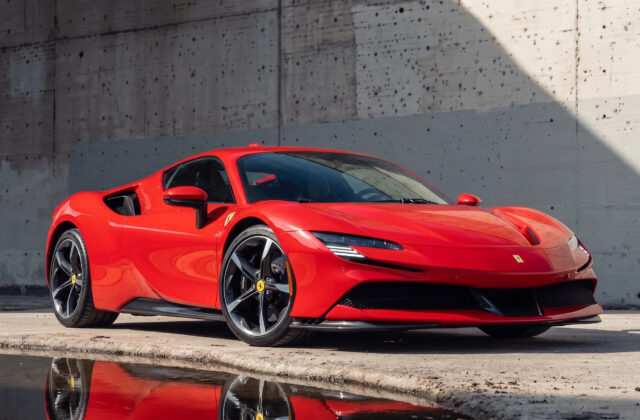 Ferrari
488, Roma, Portofino
Ferrari
488, Roma, Portofino
-
 Audi
RS, Q and A Series
Audi
RS, Q and A Series
-
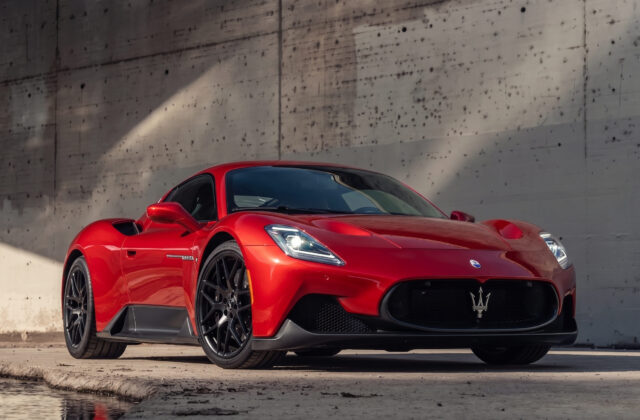 Maserati
Ghibli, Levante, Quattroporte
Maserati
Ghibli, Levante, Quattroporte
-
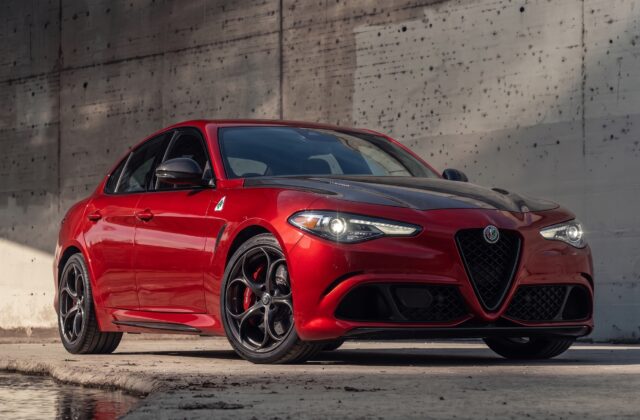 Alfa Romeo
Giulia, Stelvio
Alfa Romeo
Giulia, Stelvio
-
 Jaguar
F-Pace, XF, F-Type
Jaguar
F-Pace, XF, F-Type
-
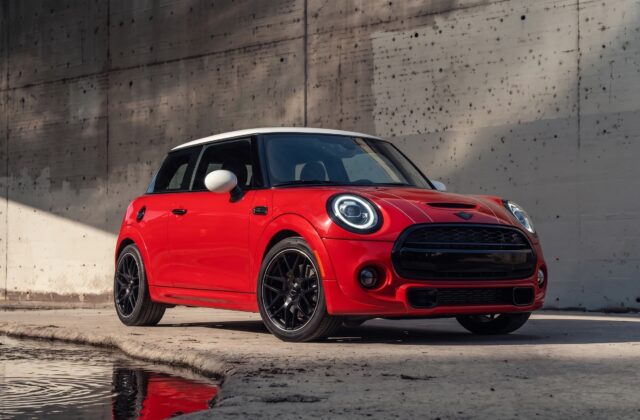 Mini Cooper
Cooper S, Countryman, JCW
Mini Cooper
Cooper S, Countryman, JCW
-
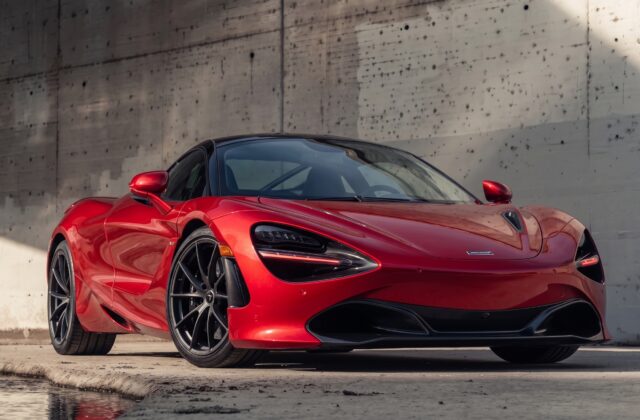 McLaren
570S, 720S, GT
McLaren
570S, 720S, GT
-
 Aston Martin
DB11, Vantage, DBX
Aston Martin
DB11, Vantage, DBX
-
 Cadillac
Escalade, CT5, XT6
Cadillac
Escalade, CT5, XT6
-
 Dodge & RAM
Challenger, Charger, RAM TRX
Dodge & RAM
Challenger, Charger, RAM TRX
-
 Jeep
Wrangler, Grand Cherokee, Gladiator
Jeep
Wrangler, Grand Cherokee, Gladiator
-
 Ford Mustang
GT, EcoBoost, Shelby
Ford Mustang
GT, EcoBoost, Shelby
-
 Corvette
C7 and mid-engine C8
Corvette
C7 and mid-engine C8
-
 Volvo
XC90, XC60, S90, T8 Recharge
Volvo
XC90, XC60, S90, T8 Recharge
-
 Mercedes-AMG
C 63, E 63, GT 63, G 63
Mercedes-AMG
C 63, E 63, GT 63, G 63
-
 Mercedes-Maybach
S 580, S 680, GLS 600
Mercedes-Maybach
S 580, S 680, GLS 600
-
 Lotus
Emira, Evora, Exige
Lotus
Emira, Evora, Exige
-
 Bugatti
Veyron, Chiron — care and storage
Bugatti
Veyron, Chiron — care and storage
-
 Pagani
Zonda, Huayra — care and storage
Pagani
Zonda, Huayra — care and storage
-
 Koenigsegg
Agera, Regera, Jesko — care
Koenigsegg
Agera, Regera, Jesko — care
Questions
The temperature climbs in traffic but is fine on the road. Why?
Usually the fan or its control, not the radiator. Airflow is the difference between the two situations.
Is it safe to keep driving?
No. Overheating turns a cheap repair into an engine rebuild faster than anything else on the car.
Do you flush the cooling system?
Yes, with the correct coolant specification for your engine — the wrong type corrodes aluminium.
How much does cooling system work cost in Dubai?
We quote cooling system work once the fault is traced, not before. Diagnostics are from AED 250 and that figure comes off the bill if you go ahead. What you get is an itemised estimate — parts and labour separately — and nothing is started until you approve it.
How long does cooling system work take?
Normally one to two working days. We book a slot rather than a queue, so the car is worked on when you bring it in. If the job turns out to need longer once it is apart, you hear the reason and the new date before we carry on.
Is the work covered by a warranty?
Yes — 6 months on parts and labour for work carried out in our own workshop in Al Quoz. Where a part carries its own manufacturer cover, that applies on top. The term goes into the estimate before you approve the job, not into the invoice afterwards.
Radiator and Cooling System Repair in Dubai
In this climate a cooling fault becomes an engine fault quickly, and that changes the advice we give. Elsewhere, a small coolant loss is something to monitor. Here, an engine already running close to its thermal limit has almost no margin, and a leak that would be a minor inconvenience in a temperate country can warp a cylinder head on a single drive. If the temperature gauge is behaving unusually, the correct response is to stop driving the car, not to top it up and see.
Dust is the second factor and the one owners least expect. Radiator and condenser cores fill with fine airborne dust, which reduces airflow steadily until cooling capacity is well below specification while every component is technically working. A car that overheats only in traffic and is fine at speed is very often telling you about airflow rather than about a failed part. Cleaning a core properly takes time and is frequently all that was needed.
We pressure-test the system cold and at operating temperature, because leaks that appear when everything is hot and expanded frequently do not exist when it is cold. Thermostat, water pump, radiator, expansion tank, hoses and the fan control circuit are each assessed individually. Replacing them as a set makes the symptom disappear and tells the owner nothing about what actually failed, which matters when it happens again.
Coolant specification is not interchangeable. Modern engines with aluminium components require particular corrosion inhibitors, and using a general-purpose coolant causes damage that appears months later as a leak or a blocked core. We use the specification the manufacturer lists, and where a system has been filled with the wrong type we say so and explain what it means rather than simply topping it up.
On cars with an intercooler circuit — turbocharged and supercharged engines — that loop is tested as well. A car that loses power after sustained hard use is often reporting an intercooler or charge-air problem rather than an engine fault, and it is easy to miss if only the main cooling circuit is checked.
Call or message immediately if the temperature is rising. This is the one fault we would rather see today than next week, and we will tell you over the phone whether the car should be driven in.
A practical note on what to do when the temperature rises. Stop somewhere safe rather than pressing on to a destination, turn the engine off, and do not open the expansion tank while the system is hot — it is pressurised and the contents are well above boiling point. Call us and we will tell you whether the car can be driven in or should be recovered. That conversation costs nothing and it is the difference between a hose and a cylinder head on more occasions than owners expect.
Book it in
Diagnostics first. You get a written estimate before anything is touched.