

What this covers
Most misdiagnosis starts with treating a code as an answer. A code for a sensor often means a connector, a harness or the thing the sensor is measuring. We scan all modules, read live data under load, and check the car physically before telling you what it needs.
Booked in for this? Owners often ask about suspension repair in Dubai, car ac repair at our Al Quoz workshop and our adas calibration work at the same time — one visit covers all of it.
The work
Full module scan
Every control unit, including stored and pending faults, not just the engine.
Live data
Values read while the car runs, because intermittent faults do not show at rest.
Physical confirmation
Wiring, connectors and the component itself checked before anything is replaced.
Written findings
What was found, what it means, what it will cost to put right.
What happens after you call
-
Call or WhatsApp
Tell us what the car is doing. We book a slot that suits you.
-
Diagnostics
Factory-level scan of every module, then a physical inspection to confirm it.
-
Written estimate
Parts and labour itemised, so you see what you are paying for.
-
You approve
Nothing is touched until you say yes.
-
The work
Genuine or matching OEM parts, photographed as we go.
-
Handover
Road test with you, and the work recorded in your history.
Marques we service
This work is done on all fifteen marques below.
-
 Bentley
Continental GT, Bentayga, Flying Spur
Bentley
Continental GT, Bentayga, Flying Spur
-
 BMW
M, X and 3/5/7 Series
BMW
M, X and 3/5/7 Series
-
 Mercedes-Benz
AMG, S-Class, G-Class
Mercedes-Benz
AMG, S-Class, G-Class
-
 Porsche
911, Cayenne, Panamera, Macan
Porsche
911, Cayenne, Panamera, Macan
-
 Range Rover
Sport, Velar, Evoque, Defender
Range Rover
Sport, Velar, Evoque, Defender
-
 Rolls-Royce
Ghost, Wraith, Cullinan
Rolls-Royce
Ghost, Wraith, Cullinan
-
 Lamborghini
Urus, Huracán, Aventador
Lamborghini
Urus, Huracán, Aventador
-
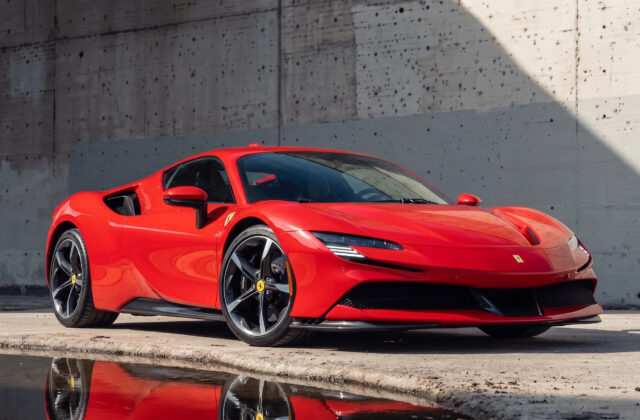 Ferrari
488, Roma, Portofino
Ferrari
488, Roma, Portofino
-
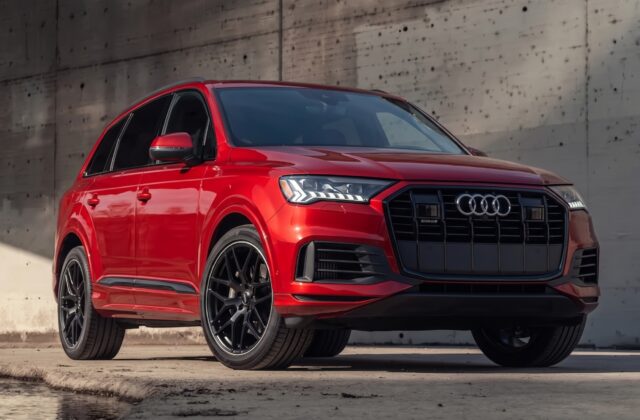 Audi
RS, Q and A Series
Audi
RS, Q and A Series
-
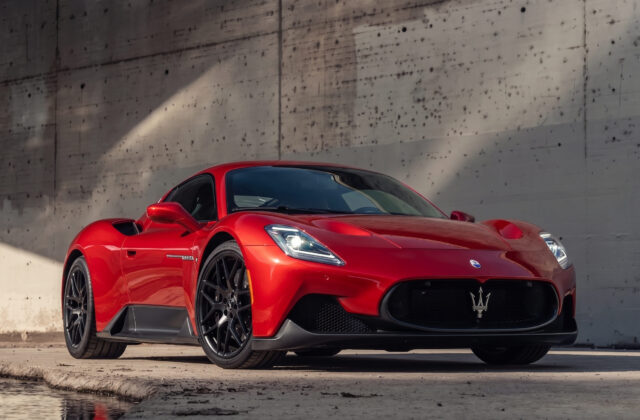 Maserati
Ghibli, Levante, Quattroporte
Maserati
Ghibli, Levante, Quattroporte
-
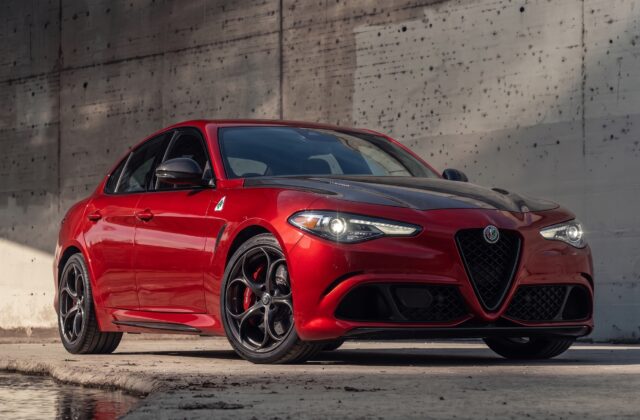 Alfa Romeo
Giulia, Stelvio
Alfa Romeo
Giulia, Stelvio
-
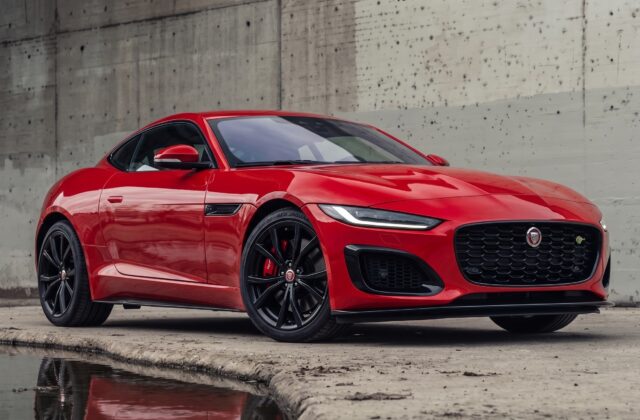 Jaguar
F-Pace, XF, F-Type
Jaguar
F-Pace, XF, F-Type
-
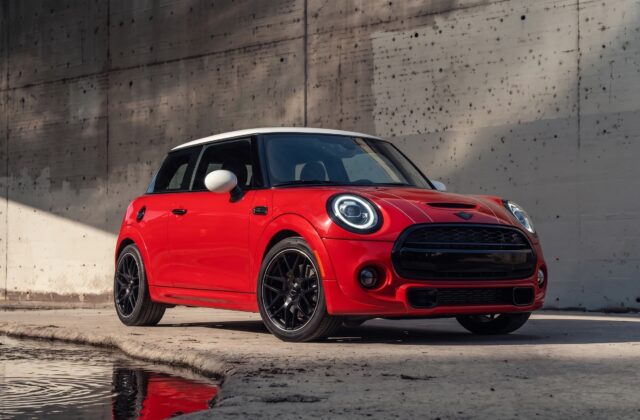 Mini Cooper
Cooper S, Countryman, JCW
Mini Cooper
Cooper S, Countryman, JCW
-
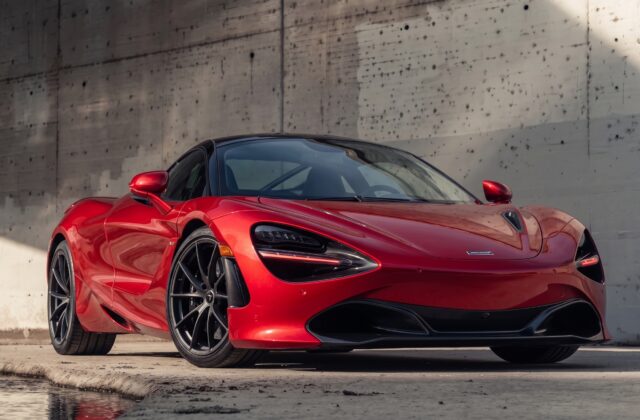 McLaren
570S, 720S, GT
McLaren
570S, 720S, GT
-
 Aston Martin
DB11, Vantage, DBX
Aston Martin
DB11, Vantage, DBX
-
 Cadillac
Escalade, CT5, XT6
Cadillac
Escalade, CT5, XT6
-
 Dodge & RAM
Challenger, Charger, RAM TRX
Dodge & RAM
Challenger, Charger, RAM TRX
-
 Jeep
Wrangler, Grand Cherokee, Gladiator
Jeep
Wrangler, Grand Cherokee, Gladiator
-
 Ford Mustang
GT, EcoBoost, Shelby
Ford Mustang
GT, EcoBoost, Shelby
-
 Corvette
C7 and mid-engine C8
Corvette
C7 and mid-engine C8
-
 Volvo
XC90, XC60, S90, T8 Recharge
Volvo
XC90, XC60, S90, T8 Recharge
-
 Mercedes-AMG
C 63, E 63, GT 63, G 63
Mercedes-AMG
C 63, E 63, GT 63, G 63
-
 Mercedes-Maybach
S 580, S 680, GLS 600
Mercedes-Maybach
S 580, S 680, GLS 600
-
 Lotus
Emira, Evora, Exige
Lotus
Emira, Evora, Exige
-
 Bugatti
Veyron, Chiron — care and storage
Bugatti
Veyron, Chiron — care and storage
-
 Pagani
Zonda, Huayra — care and storage
Pagani
Zonda, Huayra — care and storage
-
 Koenigsegg
Agera, Regera, Jesko — care
Koenigsegg
Agera, Regera, Jesko — care
Questions
My warning light came on and went off. Is it worth checking?
Yes. The fault is stored even when the light clears, and reading it early is cheaper than waiting for it to stay on.
Can you diagnose a fault another garage could not find?
Often. Second opinions are a large part of what we do, and the usual difference is reading all modules rather than one.
Do you charge for diagnostics?
From AED 250 at our workshop in Al Quoz. The figure moves with the car and with what the check finds, so treat it as a starting point rather than a quote. It covers a factory-level scan of every module, then a physical check to confirm what the scan reports. You see the itemised estimate before any work begins.
How long does a diagnostic take?
Normally two to three hours. We book a slot rather than a queue, so the car is worked on when you bring it in. If the job turns out to need longer once it is apart, you hear the reason and the new date before we carry on.
Is the work covered by a warranty?
Yes — 6 months on parts and labour for work carried out in our own workshop in Al Quoz. Where a part carries its own manufacturer cover, that applies on top. The term goes into the estimate before you approve the job, not into the invoice afterwards.
Car Diagnostics in Dubai
A fault code names a circuit, not a cause, and treating the two as the same thing is where most misdiagnosis begins. A code pointing at an oxygen sensor may mean a failed sensor, or a damaged connector, or a wiring fault, or an exhaust leak upstream, or an engine running rich for an entirely separate reason. Replacing the sensor addresses one of those five possibilities. The other four return, usually within a fortnight, and the owner has paid for a part that was working.
Proper diagnosis on a modern European car means reading every control unit rather than the engine alone. Cars now run dozens of modules on a shared network, and a fault in one frequently produces symptoms attributed to another. A failing body module can generate climate, lighting and suspension warnings at once. A poor earth connection can produce faults across three unrelated systems. Scanning only the module that matches the symptom returns a tidy answer that happens to be the wrong one.
Live data matters as much as stored codes. Many faults are intermittent, appearing under load, at temperature, or after the car has been running for twenty minutes, and none of those conditions exist with the car parked and idling. We read values while the car runs, and where necessary while it is driven, because a sensor reading that looks correct at rest can be well out of range under the conditions that actually trigger the fault.
Physical confirmation is the step most often skipped. Once the data points somewhere, we check the component, the connector and the wiring before quoting. Corrosion in a connector is common here — humidity and salt air reach places owners never look — and it presents identically to a failed component on a scan tool. Finding it takes ten minutes and saves the cost of a part that did not need replacing.
Second opinions are a significant part of the diagnostic work we do. Cars arrive having already had parts replaced elsewhere, sometimes several, with the original symptom intact. That is not always incompetence; often it is a workshop working from one module and one code with the tools available to it. We start again from the whole car rather than continuing someone else’s sequence, and we tell you what we find whether or not it suits us.
You will get the diagnosis in writing: what was found, what it means and what it will cost to put right. If the answer is that nothing needs doing, that is what the report says. Call or message us with the symptom and when it appears, and tell us if the car has already been looked at elsewhere — knowing what has been tried saves time.
One last point on cost. Diagnosis is charged because it is work, and a workshop offering it free is recovering the time elsewhere — usually by replacing something. We tell you the diagnostic charge when you book, and where the resulting repair is carried out here we discuss how that charge is handled rather than leaving it as a surprise on the invoice.
Book it in
Diagnostics first. You get a written estimate before anything is touched.